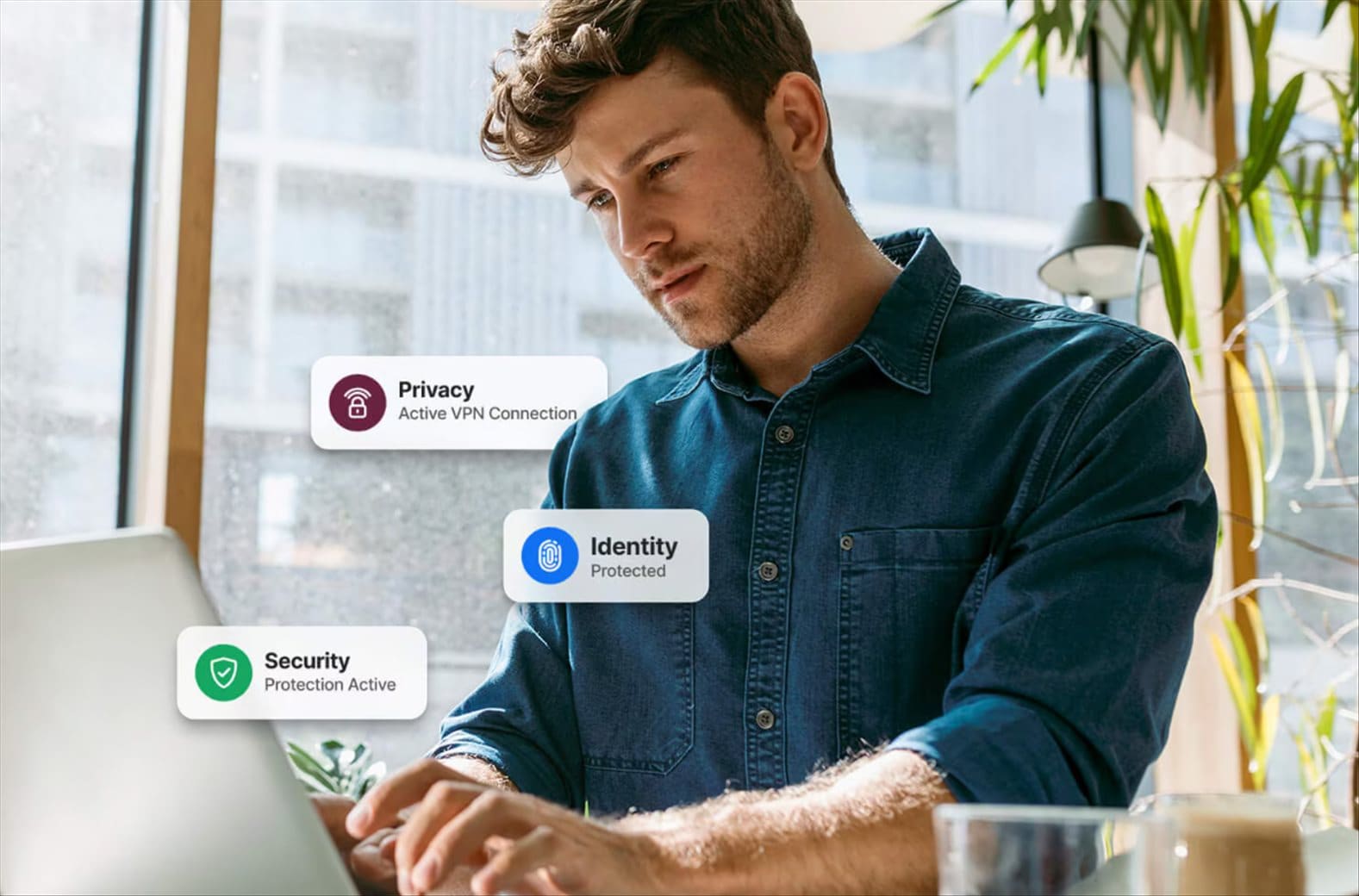
McAfee has rolled out significant upgrades to its Scam Detector tool, adding instant QR code safety verification and improved protection against social messaging scams. The enhanced features are available at no additional cost across all McAfee plans, addressing the growing sophistication of online scams that are costing Australians both time and money.
According to McAfee’s latest State of the Scamiverse report, Australians are being bombarded with online threats. People receive an average of seven scam messages daily across text, email, and social media platforms, and spend roughly 60 hours each year trying to distinguish legitimate content from fraudulent attempts. That’s nearly one and a half work weeks lost annually just trying to stay safe online. If you’ve been getting robotic calls or texts about missing delivery items from a fake Australia Post links, then stay a while and listen.
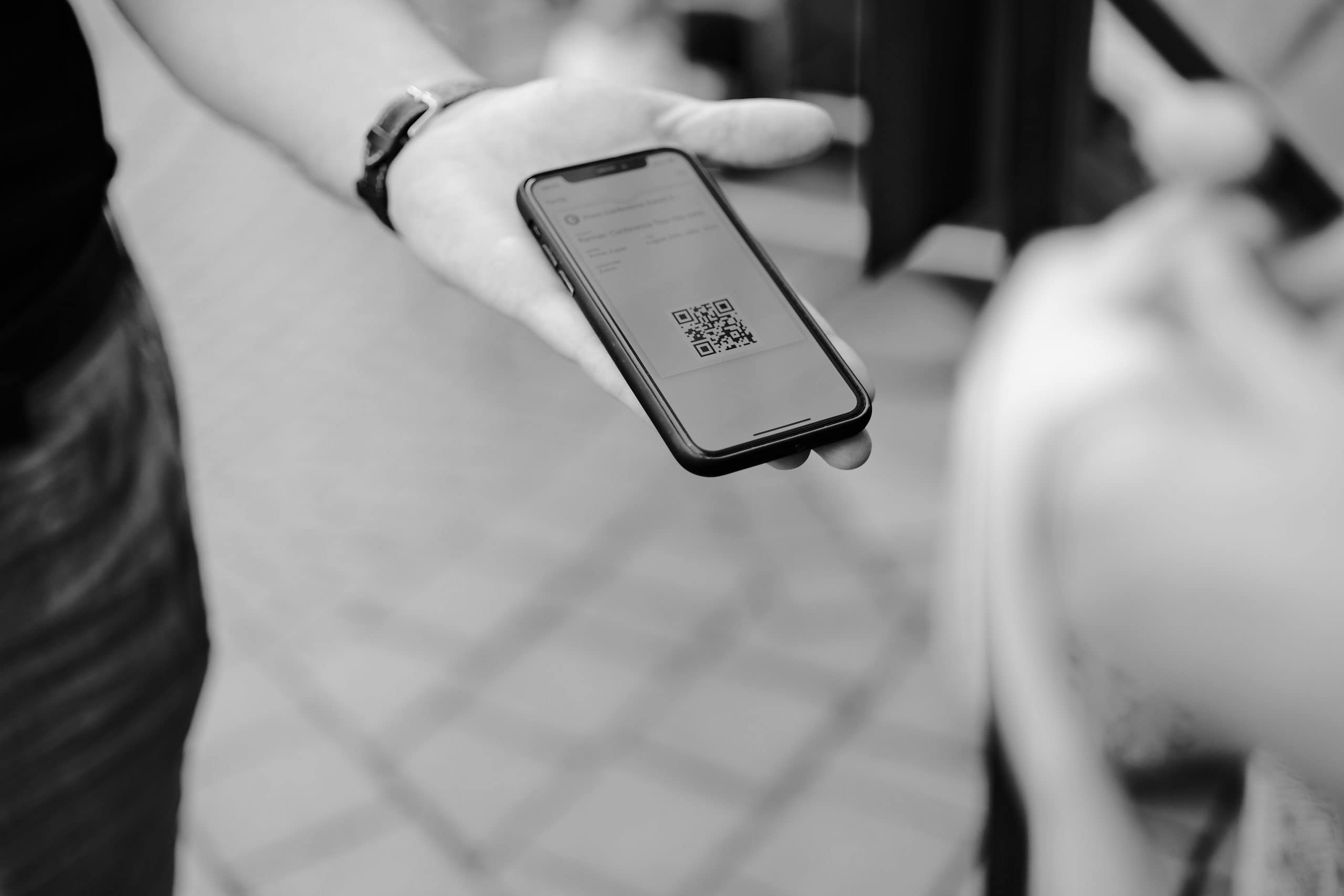
The timing of these upgrades comes as scammers increasingly weaponise QR codes, hiding malicious links in everyday objects like restaurant menus, parking meters, event posters, and delivery packages. McAfee’s research reveals that 67% of Australians scanned a QR code in the past three months, with 11% landing on suspicious or unsafe pages as a result. More concerning is that nearly half of Australians who encounter a suspicious page after scanning a QR code take risky actions such as entering personal information, installing apps, or connecting digital wallets.
The Australian Signals Directorate has issued warnings about QR code scams, noting they present unique security challenges because traditional security tools have limited ability to detect and block them. The encoded nature of QR codes also prevents people from visually inspecting the URL before clicking, unlike standard hyperlinks.
Social messaging platforms have become another major vulnerability. Scammers are adapting their tactics beyond traditional email phishing, now targeting users through WhatsApp, Instagram, Messenger, and Telegram. Research shows that 14% of suspicious social messages contain no link whatsoever, instead using conversational openers like vague greetings or friendly prompts designed to establish trust before escalating the scam. Nearly a third of Australians (32%) have replied to suspicious direct messages that contained no links, demonstrating how effective these psychological tactics can be.
The upgraded Scam Detector addresses both threat vectors with two key features. The instant QR safety check allows users to scan any QR code and receive immediate confirmation about whether the destination link is safe before taking action. This covers QR codes found on parking meters, restaurant menus, promotional materials, and delivery packages. The smarter social messaging protection delivers clearer warnings for suspicious texts, emails, and direct messages across popular platforms, including those that don’t contain risky links but use manipulative language patterns.
These tools work in real time to flag potential threats before users can fall victim. Whether it’s a sextortion attempt threatening to leak private photos unless payment is made, a WhatsApp message promoting a too-good-to-be-true cryptocurrency investment, or a seemingly legitimate QR code on a parking meter, Scam Detector provides clear guidance to help people make informed decisions.
The financial impact of online scams remains substantial. One in four Australians has lost money to scams, with victims losing an average of $2,149 per incident. The problem compounds for repeat victims, as nearly one in ten people who fall for a scam become victims again within a year, highlighting the importance of proactive protection measures.
McAfee’s enhanced Scam Detector, including the instant QR code checker and improved social messaging safeguards, will be available across all core McAfee plans in 11 geographies this Spring at no additional cost to subscribers.