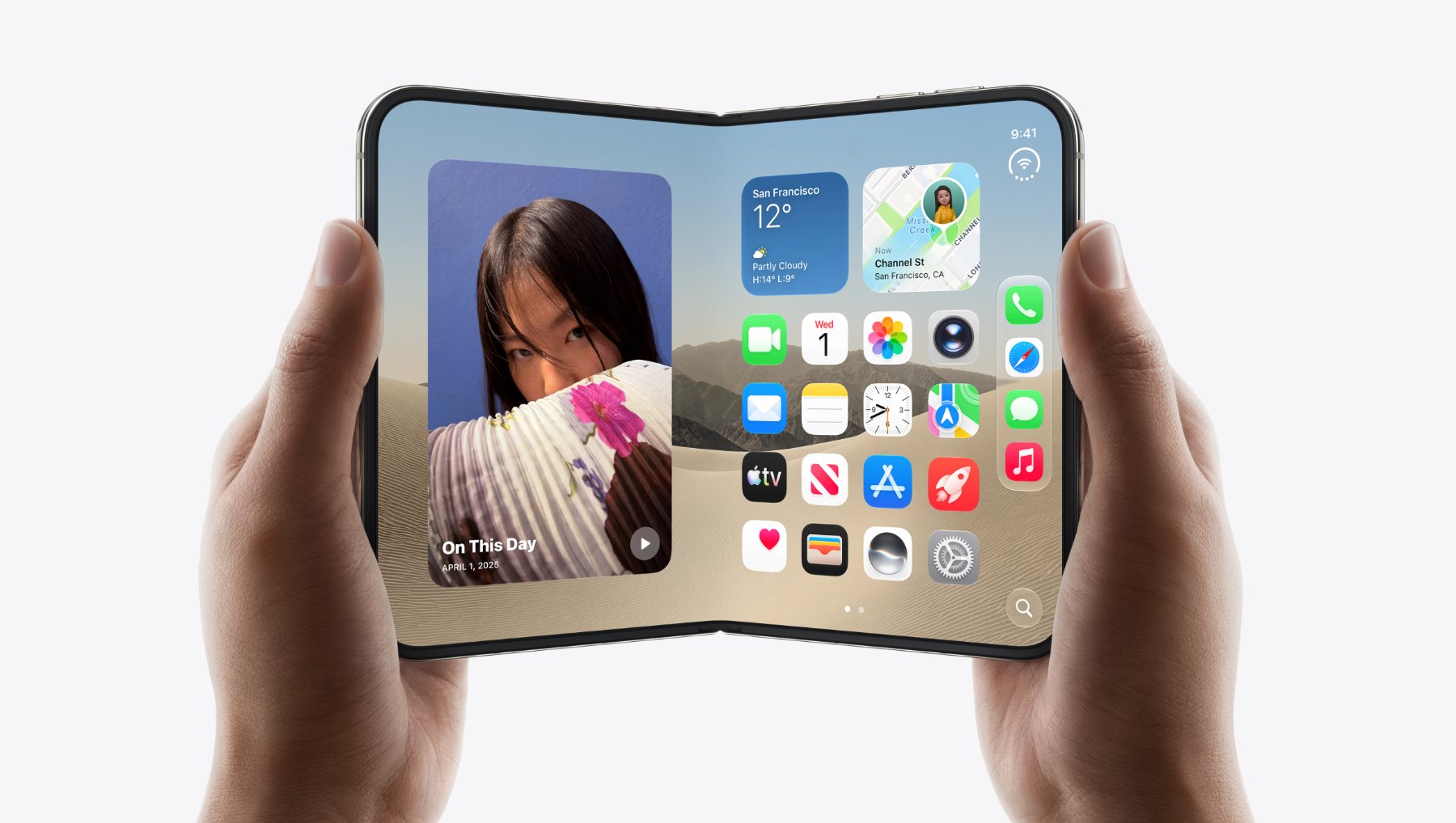
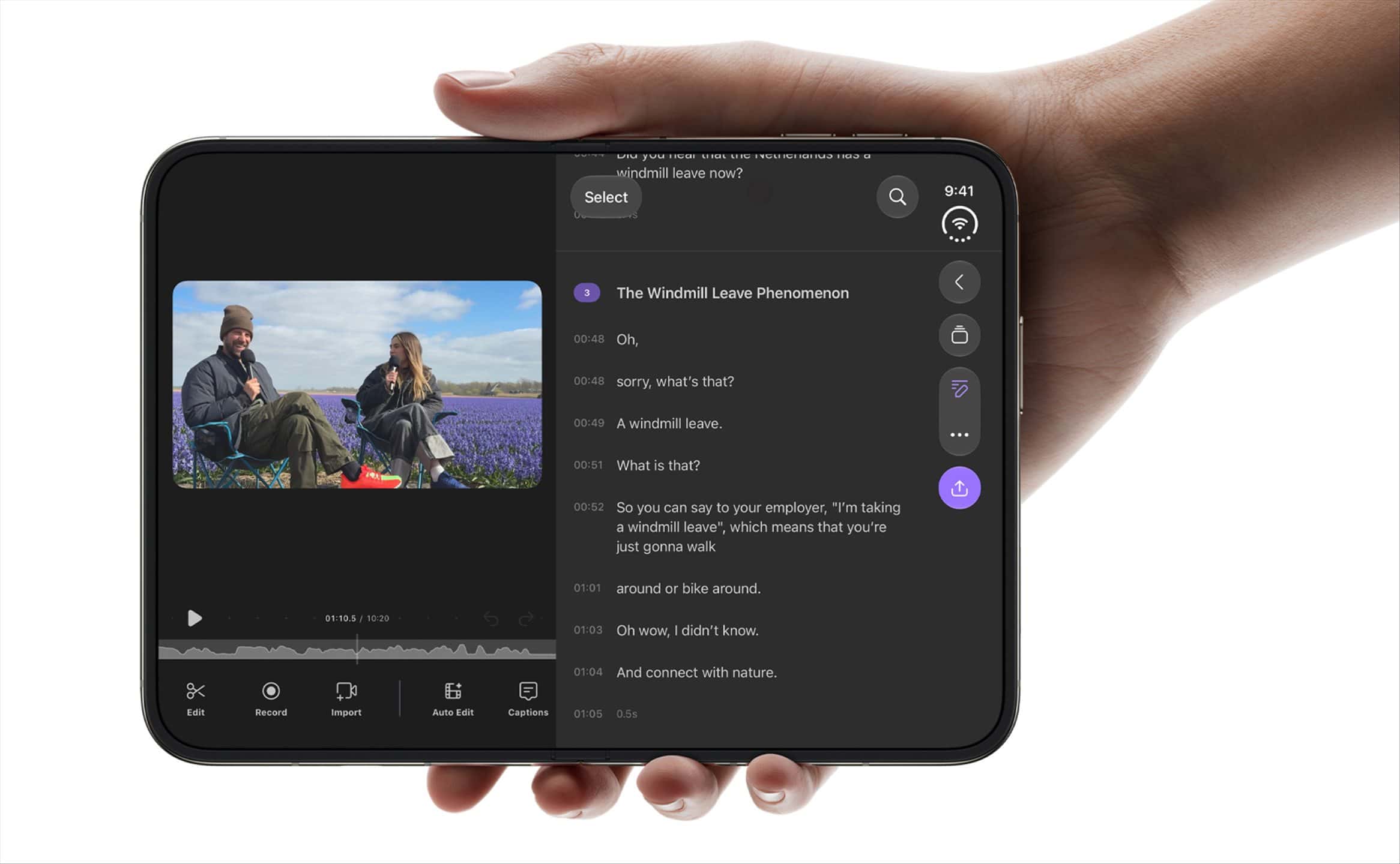
Apple’s first foldable iPhone, the iPhone Duo, has undergone a detailed teardown by repair specialists at iFixit, revealing some interesting design decisions that make it easier to repair than competing foldable smartphones. However, the teardown also highlights several concerns surrounding the device’s inner display, hinge mechanism, and potentially expensive repair costs.
According to iFixit’s teardown, the iPhone Duo received a provisional repairability score of 5 out of 10. While that might not sound particularly impressive, it is actually the highest score iFixit has awarded to a foldable smartphone so far.
For comparison, the Samsung Galaxy Z Fold8 and Google Pixel 11 Pro Fold both received scores of 4 out of 10. Apple’s first attempt at a foldable phone has therefore managed to improve on some of the repairability challenges that have affected this category for years.
One of the biggest positives discovered during the teardown is how Apple has designed the iPhone Duo’s internal components. Unlike many foldable smartphones that require extensive disassembly to access certain parts, the iPhone Duo uses a relatively straightforward internal layout. Components such as its cameras and charging hardware can be accessed without having to remove numerous unrelated parts first.
Apple has also brought over some familiar repair-friendly features from its conventional iPhones. The device contains two batteries, providing a combined capacity of 19.1Wh, and both use electrically releasable adhesive. By applying a small electrical charge to the adhesive strips, technicians can release the batteries without excessive pulling, bending, or potentially damaging them.
The two batteries also feature protective metal enclosures, adding another layer of protection during removal.
iFixit praised this implementation, describing it as the best battery removal experience it has encountered in a foldable smartphone.
The outer display is similarly accessible and can be removed without destroying its surrounding frame. Apple has also made its official repair manual available, although the availability of replacement components is still being assessed.
These improvements are encouraging, especially considering that foldable smartphones have traditionally been difficult and expensive to repair.
Another interesting discovery involves the iPhone Duo’s folding display. One of the biggest challenges with foldable smartphones is the visible crease running through the middle of the screen. Although manufacturers have made improvements over the years, completely eliminating the crease remains difficult.
Apple has approached this problem using several techniques, including a specialised nano-texture surface layer. Under a microscope, iFixit discovered that this layer contains tiny rounded structures designed to scatter reflected light. By spreading reflections across the screen, the surface helps make the crease less noticeable when the display is unfolded.
Interestingly, removing this nano-texture layer makes the crease considerably more obvious. iFixit also identified unusual oval-shaped subpixels with varying orientations. These may help reduce unwanted reflection patterns, potentially contributing further to the crease-hiding effect.
The good news is that Apple has designed the nano-texture cover layer to be replaceable independently of the OLED panel underneath.
This means that certain types of surface damage can be repaired without replacing the entire folding display.
However, this is not a simple screen protector that users can peel off and replace themselves. Apple’s replacement procedure requires specialised equipment and precise alignment.
Despite the improvements in repairability, the iPhone Duo’s inner display remains its biggest weakness. According to the repair pricing published by Apple and reported by iFixit, replacing a damaged inner display costs US$999 without AppleCare+ coverage.
That is a considerable expense, even for a premium smartphone. On the other hand, replacing just the nano-texture cover layer costs US$49 without AppleCare+, or US$19 with coverage.
The difference highlights why Apple’s decision to make the cover layer independently replaceable is important. Minor surface damage may not necessarily require an expensive full display replacement. Unfotunately, more serious damage to the underlying OLED panel is another matter.
Replacing the complete folding display involves carefully removing adhesive and working around delicate components. The procedure is more involved than replacing a conventional smartphone screen, even with Apple’s improvements to the internal design.
For owners planning to keep the iPhone Duo for several years, repair costs are certainly something worth considering.
Perhaps the most concerning part of the teardown involves reports of iPhone Duo displays developing problems shortly after purchase.
Some early owners have reported hearing unusual noises while opening or closing their devices, followed by bright lines appearing across the folding display. In certain cases, problems reportedly appeared within hours of unboxing.
To investigate, iFixit examined the hinge mechanism using teardown footage, patents, CT scans, and a three-dimensional model of the device. Its analysis identified a possible area of concern near the central hinge support, where several structural components meet underneath the flexible screen.
One theory is that a supporting component within the hinge may not always retract as intended when the phone closes. If this happens, it could create a concentrated pressure point against the flexible display. However, this remains a theory rather than a confirmed manufacturing or design defect.
There is currently insufficient evidence to determine whether the reported failures affect a significant number of devices or are limited to isolated cases. It is nevertheless an area worth monitoring, particularly because the iPhone Duo is Apple’s first-generation foldable smartphone.
iFixit also investigated how well the iPhone Duo handles fine particles entering its folding mechanism.
During testing, the team exposed the smartphone to fluorescent powder before repeatedly opening and closing it. The powder allowed researchers to identify where particles had travelled after disassembly. The results revealed that some particles were able to enter the moving components of the hinge, producing an audible crunching sound.
Interestingly, the iPhone Duo accumulated less visible powder than the Samsung Galaxy Z Fold8 and Google Pixel 11 Pro Fold in iFixit’s comparable tests.
However, its folding mechanism was not completely protected against debris. It is important to point out that this experiment was not a formal IP dust-resistance certification test. Nevertheless, it demonstrates that fine particles can still reach sensitive parts of the hinge mechanism.
This remains a potential concern for foldable smartphone owners, particularly those who frequently use their devices around sand or dusty environments.
iPhone Duo teardown: a promising first attempt, but not without compromises
Overall, the iPhone Duo teardown shows that Apple has made a reasonable effort to improve the repairability of foldable smartphones. Its accessible internal components, electrically releasable batteries, removable outer display, and independently replaceable inner-screen cover layer are all welcome improvements.
Receiving iFixit’s highest repairability score for a foldable smartphone is certainly an achievement, although a provisional 5 out of 10 also demonstrates how much room for improvement remains. The expensive inner display replacement and potential vulnerabilities around the hinge are harder to overlook, especially with early reports of display failures.
For now, the iPhone Duo looks like a promising first-generation foldable from Apple, but long-term durability will be an important factor in determining how well its engineering holds up in everyday use. As with other foldable smartphones, buyers should consider not only the initial purchase price but also the potential cost of repairs.
The iPhone Duo teardown ultimately shows that Apple has made foldable smartphones easier to repair, but protecting that expensive folding display remains just as important as ever.