
Google is opening Google Home to third-party AI agents, and this could end up being one of the most important smart-home developments we’ve seen in years.
The company has started rolling out Google Home MCP, an early-access implementation of the Model Context Protocol that allows compatible AI agents to interact with devices and event history inside the Google Home ecosystem. Google’s own release notes confirm that personal agents such as Antigravity and OpenClaw can connect to Google Home, while third-party agents including Claude can also work with the system through MCP.
That means we’re moving beyond simply asking Google Assistant or Gemini to turn a light on or adjust a thermostat.
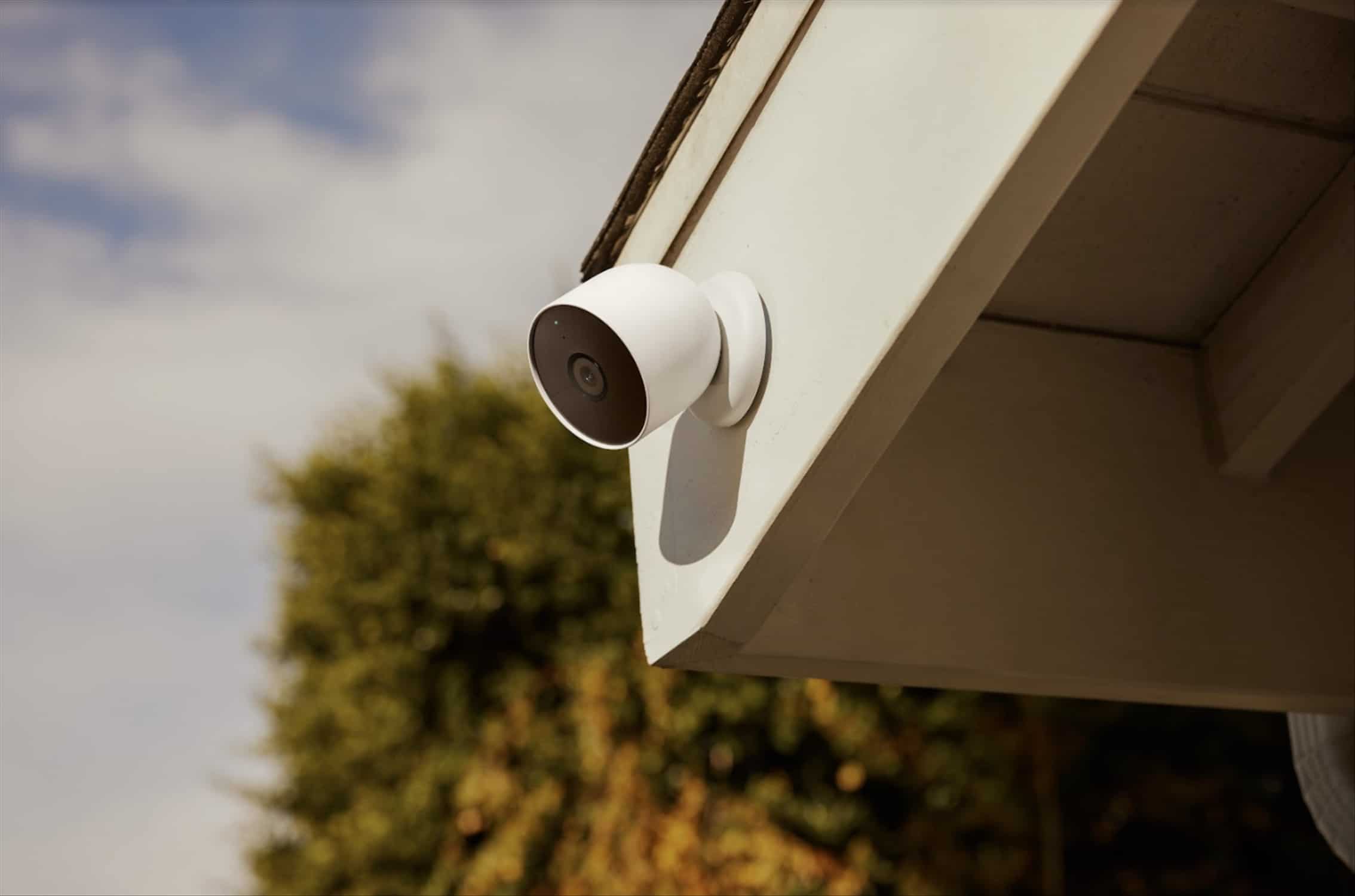
With Home MCP, an AI agent can potentially analyse activity across multiple cameras, look through device history, manage connected devices, send voice notifications through Google Home speakers, troubleshoot problems and even create custom dashboards based on what you ask for in natural language.
Google gives an example where you could ask an agent what your kids did when they arrived home from school, and it could analyse footage from multiple cameras and return a summary along with the relevant video clips. Another example involves analysing device history to work out things such as how often the washing machine ran or how long lights were left switched on.
That is a very different kind of smart home.
I have a lot of smart-home devices around the house from a variety of brands and providers, and this is where the idea becomes especially interesting to me. The biggest limitation with smart homes has rarely been the individual devices themselves. It’s getting everything to work together intelligently.
At the moment, most smart-home automation still relies heavily on rules: if this happens, do that. AI agents potentially change that by adding reasoning on top.
Instead of creating a complicated chain of routines yourself, you could eventually ask something like, “Why does the bedroom keep getting warm in the afternoon?” An agent could potentially look at temperature sensors, air conditioning activity, blinds, occupancy and other available information before suggesting or taking action.
That said, giving an AI agent access to your home also raises some fairly obvious questions.
Google says Home MCP includes rate limits and other safety protections, including preventing sensitive actions such as unlocking doors. Google itself also warns that connecting an agent to Home MCP could result in unexpected or unwanted behaviour depending on the agent being used.
Personally, I’m quite comfortable with the idea of an AI agent accessing and controlling many devices around my house, provided there are strict limits around security-critical devices. At this stage, I wouldn’t want an external AI agent to have direct control over things such as smart locks or alarm systems.
Lights, air conditioners, sensors, robot vacuums and other everyday devices are another matter. Giving an agent enough context to coordinate those devices could make a smart home feel considerably smarter than the routines we use today.
There are some limitations for now. Home MCP is rolling out as an early-access feature for Google Home Premium Advanced users in US English, so Australian users won’t necessarily be able to start experimenting with it immediately. Setup is also aimed more at enthusiasts than mainstream users at this stage, involving a Google Cloud project and connecting an MCP-compatible agent.
But the bigger story here isn’t whether you can install it today. Google is effectively turning Google Home into infrastructure that external AI agents can use. If that model expands, your future smart home may not revolve around choosing between Google Assistant, Alexa or Siri.
Instead, you may choose whichever AI agent you prefer and simply give it access to the devices and data inside your home. And that could be a far more significant change than simply replacing Google Assistant with Gemini


