
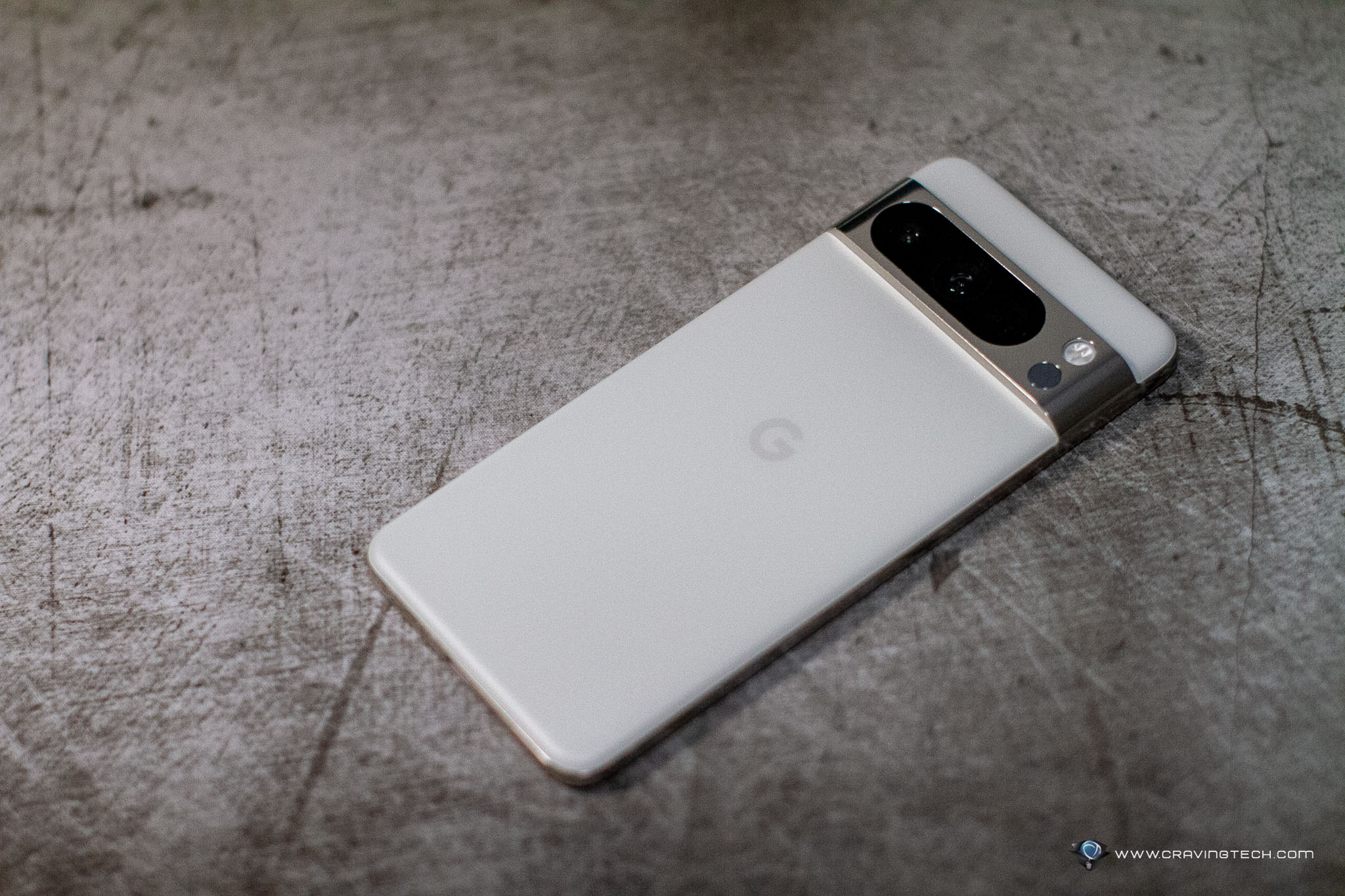
Vodafone has introduced a new 48-month interest-free phone repayment option in Australia, letting customers spread the cost of a new smartphone over four years instead of the usual 12, 24 or 36 months. On the surface, it is simply another way to make increasingly expensive smartphones look a little more manageable each month. But I think the more interesting part is what it says about how we buy and use smartphones today.
According to Vodafone, the number of its customers using a smartphone that is four years old or older has doubled since 2021. The telco says Australians are simply holding onto their phones for longer, which is one of the reasons it has introduced the new 48-month repayment option. And looking at the iPhone 18 Pro launch, it’s clear to see that there aren’t many significant upgrades that warrant an upgrade from the 17 Pro.
Vodafone’s own Australian website now lists interest-free device repayments over 12, 24, 36 or 48 months. The phone repayment sits alongside a month-to-month mobile plan, although there is an important catch: cancel the plan before you’ve finished paying for the handset and the remaining phone balance becomes payable.
That makes four years quite a commitment, but perhaps not as strange as it would have sounded a few years ago.
Phones simply last longer now
There was a time when upgrading your smartphone every two years could result in a noticeably better experience. Cameras improved dramatically, processors became much faster, displays got better and entirely new features regularly appeared.
Those differences are harder to notice today.
A flagship smartphone that’s two or even three years old can still be incredibly fast, take excellent photos and run practically every app you throw at it. Unless there is a particular feature you want from a newer model, upgrading every year, or even every two years, is becoming harder to justify.
Software support has also changed significantly.
Google, for example, currently promises seven years of OS and security updates for the Pixel 8 and newer Pixel phones. Samsung similarly promises seven generations of OS upgrades and seven years of security updates on its current Galaxy S-series flagships.
When manufacturers are designing phones to remain supported for that long, keeping one for four years suddenly doesn’t seem particularly unreasonable.
There’s also the simple matter of price. Premium smartphones have become expensive enough that many people naturally want to get more years out of them rather than treating a phone as something that needs replacing every couple of years.
But would I want to pay for a phone for four years?
This is where I’m a little more cautious about Vodafone’s new option. The obvious advantage is the lower monthly repayment. Because the device repayment remains interest-free, spreading the same handset cost across 48 months can make an expensive phone considerably easier to fit into a monthly budget.
But four years is a long time in technology. Your phone might still be perfectly capable in year four, but its battery certainly won’t be as healthy as it was when you bought it. There’s also the possibility that you’ll damage it, want a newer model, switch carriers or simply change your mind long before those 48 months are up.
And while Vodafone’s mobile plans themselves are month-to-month, leaving before the handset has been paid off means you’ll need to settle the remaining device balance. So I wouldn’t necessarily look at a 48-month repayment plan as permission to buy a more expensive phone simply because the monthly figure looks smaller.
Instead, it probably makes the most sense for someone who already keeps their phones for four years or longer and would prefer to spread the cost without paying interest.
Either way, Vodafone’s decision feels like another sign that the traditional two-year smartphone upgrade cycle is disappearing. Phones are getting more expensive, but they’re also powerful enough and supported for long enough, that replacing them every couple of years simply isn’t as necessary as it once was.


